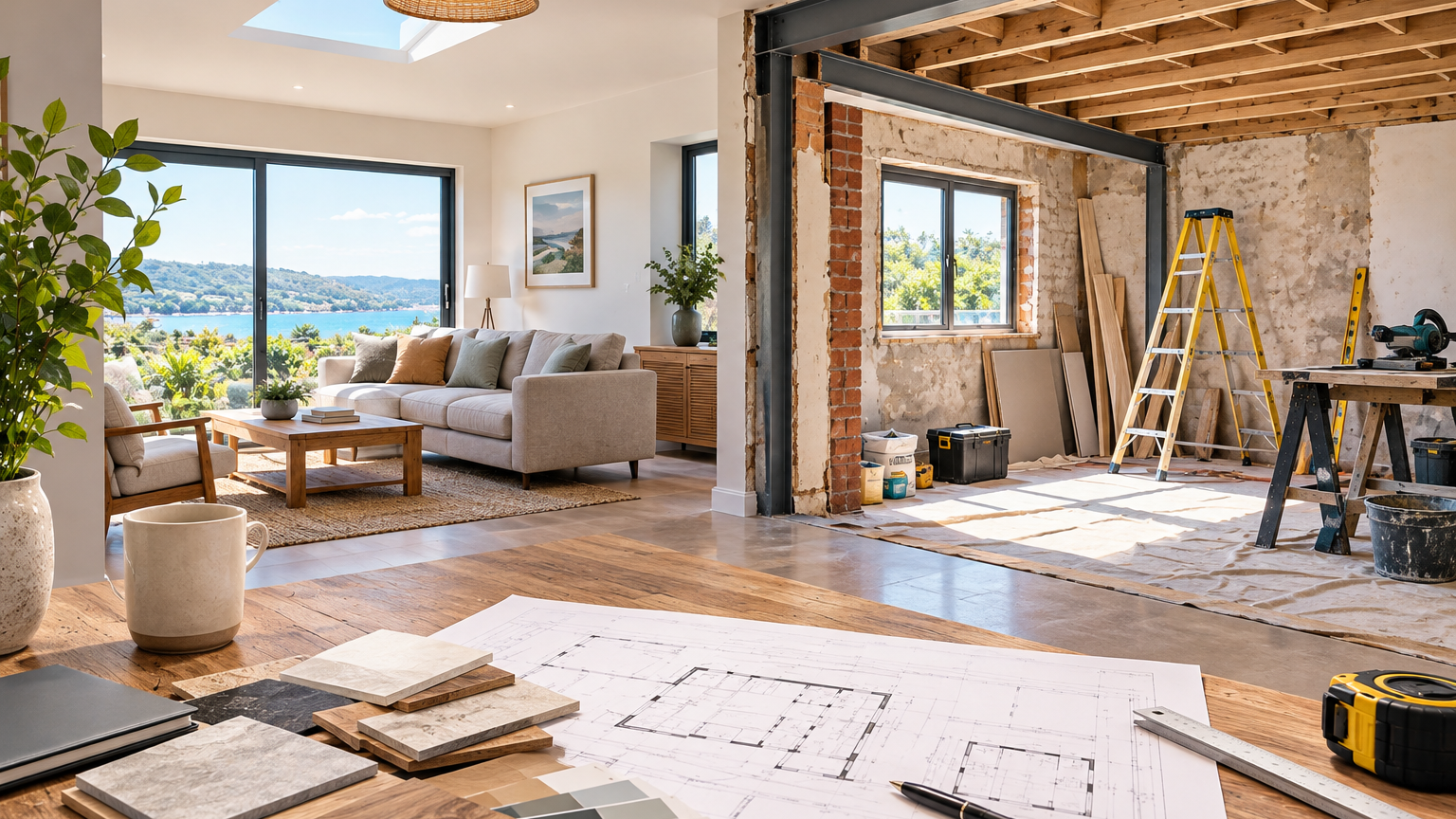
Undertaking a home renovation Devon project can be an effective way to improve how your property functions, update outdated spaces and add long-term value.
However, renovation projects often involve multiple stages, trades and decisions, which can feel overwhelming without a clear plan in place.
Understanding the process from start to finish can help you approach your renovation with greater confidence, reduce the risk of delays and ensure each stage is managed effectively.
This guide outlines the key steps involved in a typical home renovation project in Devon.
Step 1: Define Your Objectives
The first step is to be clear about what you want to achieve with your renovation.
Start by considering:
- Which areas of the property need improvement
- Whether you want to change the layout, appearance or both
- How you plan to use the space in the future
- Whether your requirements may change over time
- Your longer-term plans for the property
For example, you may want to create a larger kitchen and dining area, improve an outdated bathroom or completely modernise an older property.
Having clear objectives from the beginning helps guide the design, budget and construction process.
Step 2: Assess the Existing Property
Before any design or construction work begins, it’s important to understand the condition of the existing property.
Depending on the age and condition of the building, this may involve:
- Identifying structural issues
- Assessing the condition of the roof
- Checking plumbing and electrical systems
- Reviewing insulation and ventilation
- Looking for signs of damp or water damage
- Assessing existing layouts and limitations
Older properties can sometimes reveal unexpected issues once work begins, so identifying potential problems early can make planning much easier.
A thorough assessment also helps determine which elements can be retained and which may need replacing or upgrading.
Step 3: Develop a Design and Layout
Once you understand what needs to be done, the next stage is developing the design.
This could include:
- Preparing drawings and layouts
- Considering natural light
- Improving the flow between rooms
- Planning storage and functionality
- Selecting materials and finishes
- Making sure the design works with your budget
Good design isn’t just about how a property looks. It’s also about how the space works for the people using it.
Taking time to consider the layout before construction begins can help avoid unnecessary changes and additional costs later in the project.
Step 4: Establish a Realistic Budget
One of the most important parts of any home renovation Devon project is establishing a realistic budget.
Your budget may need to account for:
- Construction and labour costs
- Materials and finishes
- Kitchen and bathroom installations
- Professional fees
- Structural engineering
- Planning or building control costs
- Waste removal and site preparation
- A contingency for unexpected costs
As a general guide, allowing around 10–15% contingency can provide some financial flexibility if unexpected work is uncovered during the renovation.
The exact cost of a renovation will depend on the size, specification and complexity of the project, so it’s important to understand the likely costs before committing to the work.
For more information, you can visit our pevious blog relating on ‘how to budget for a Building Project in Devon Without Unexpected Costs‘
Step 5: Check Permissions and Regulations
Not every renovation requires planning permission, but it’s important to establish what approvals may be needed before work begins.
Depending on your project, this could include:
- Planning permission
- Building regulations approval
- Party Wall procedures, where applicable
- Other property-specific permissions
For example, internal cosmetic improvements may not require planning permission, while extensions and certain structural alterations may.
Planning permission and building regulations are also separate matters, so it’s important to check both where necessary.
Getting the appropriate advice early can help prevent avoidable delays once construction starts.
Step 6: Choose the Right Team
A successful renovation depends on having the right people involved.
Depending on the size and complexity of your project, your team may include:
- Builders
- Architects or designers
- Structural engineers
- Building control professionals
- Specialist trades
Experience is particularly important when renovating an existing property, as older buildings can present challenges that aren’t always obvious at the beginning.
Clear communication between everyone involved is also essential.
You should understand who is responsible for each part of the project and how progress, changes and potential issues will be communicated.
Step 7: Prepare for Construction
Once the planning and design stages are complete, it’s time to prepare the property for construction.
This may involve:
- Clearing rooms or areas being renovated
- Protecting parts of the property that are staying
- Arranging access for trades and deliveries
- Organising storage for materials
- Planning the sequence of works
- Considering where you will live during the renovation
If you’re remaining in the property while work takes place, it’s particularly important to think about how the renovation will affect your daily routine.
Depending on the scale of the work, you may need to temporarily relocate or make alternative arrangements for kitchens, bathrooms or bedrooms.
Good preparation can make the construction phase much easier to manage.
Step 8: Carry Out Structural and First Fix Works
The initial construction phase will depend on the scope of your renovation.
For larger projects, this could include:
- Structural alterations
- Removing walls
- Installing steel beams where required
- Roof alterations
- External works
- First fix plumbing
- First fix electrical work
- Insulation
This stage creates the underlying structure and services that the rest of the renovation will build around.
It’s also often the stage where unexpected issues can become apparent, particularly when opening up older parts of a property.
Having an experienced team involved can help identify and address these problems as they arise.
Step 9: Internal Works and Finishes
Once the structural and first fix works are complete, attention can turn to the internal finishes.
This may include:
- Plastering
- Decorating
- Second fix electrics
- Second fix plumbing
- Flooring
- Kitchen installation
- Bathroom fitting
- Joinery
- Doors and finishing details
This is usually the stage where the renovation really starts to come together.
The choices made during the design stage will now begin to translate into the finished space.
Good workmanship and attention to detail are particularly important here, as small finishing details can have a big impact on the overall result.
Step 10: Final Checks and Completion
Before the renovation is considered complete, the property should go through final checks.
This can include:
- Identifying and completing snagging items
- Checking fixtures and fittings
- Completing final inspections
- Addressing any outstanding works
- Obtaining relevant building control sign-off where required
A proper handover gives you the opportunity to make sure the agreed works have been completed and any remaining issues are addressed.
The final result should be a property that not only looks better but also works better for the people living in it.
Common Challenges in Renovation Projects
Even with careful planning, renovations don’t always go completely to plan.
Some common challenges include:
Hidden structural problems
Removing walls, floors or ceilings can sometimes reveal problems that weren’t visible beforehand.
Outdated plumbing or electrics
Older properties may require existing services to be upgraded to suit the renovated space.
Changes during construction
You may decide to make changes once you can see the space taking shape. However, changes during construction can affect both cost and timescales.
Material availability
Delays with certain materials, fixtures or fittings can sometimes affect the programme.
Living through the renovation
If you’re staying in the property, noise, dust, limited access and temporary loss of rooms can make the process challenging.
This is why good communication and realistic planning are so important throughout a renovation.
How to Make Your Renovation Run More Smoothly
While you can’t predict every issue, there are steps you can take to make the process easier.
Plan as much as possible before work starts.
The more decisions that can be made early, the less likely you are to need changes once construction is underway.
Keep a realistic contingency.
Unexpected issues can happen, particularly when working with older properties.
Communicate regularly.
If something changes, discussing it quickly can help prevent a small issue from becoming a larger one.
Choose an experienced team.
A contractor who understands renovation work can help identify potential problems and manage the different stages of the project.
Be realistic about disruption.
Renovation can be messy and inconvenient while it’s happening. Planning for this in advance can make the experience much easier.
Final Thoughts
A home renovation Devon project involves much more than simply updating a few rooms.
From assessing the existing property and developing the design to managing construction, finishes and final checks, there are many stages that need to work together.
Taking a structured approach from the beginning can help reduce uncertainty, manage costs and keep the project moving as smoothly as possible.
Most importantly, a well-planned renovation should leave you with a home that works better for your needs and continues to provide value for years to come.
Need Help With Your Home Renovation in Devon?
If you’re considering renovating your home and aren’t sure where to start, getting the right advice early can make a real difference.
At Edleigh Construction, we work with homeowners on larger renovation and building projects, helping bring plans together and manage the construction process from start to finish.
If you’re considering a renovation in Devon, get in touch to discuss your project.
📧 info@edleighconstruction.co.uk
📞 07568 406 781
FAQs
How long does a home renovation take in Devon?
The timescale depends on the size and complexity of the project. Smaller renovations may take several weeks, while larger whole-house renovations can take several months.
Do I need planning permission for a home renovation?
Not always. Some internal alterations may not require planning permission, while extensions and certain structural or external changes may. It’s important to check the requirements for your specific project.
Do I need building regulations approval?
Some renovation work will need to comply with building regulations, particularly where structural alterations, electrical work, insulation or changes to services are involved.
How much should I budget for a home renovation?
Renovation costs vary significantly depending on the property, specification and amount of work required. Your budget should include labour, materials, professional fees and a contingency for unexpected costs.
Can I live in my home during a renovation?
Sometimes. It depends on the scale of the work and which areas of the property are affected. For larger renovations, temporary accommodation may be more practical.
What is the most important part of a renovation?
Planning and preparation are key. Understanding the existing property, agreeing the scope of work and establishing a realistic budget before construction begins can help the project run more smoothly.