When it comes to protecting and enhancing your home, cladding is often the unsung hero. Home cladding plays a crucial role in protecting properties from the elements while also acting as a powerful design feature. More than just an aesthetic choice, it serves as the first line of defence against the elements, provides insulation, and can even increase the overall value of your property. Yet, despite its importance, many homeowners underestimate the significance of quality materials and professional installation. Poorly chosen or installed cladding can lead to maintenance headaches, damp issues, and costly repairs down the line.
At Edleigh Construction, we specialise in delivering high-quality cladding solutions for homes across South Devon and beyond. With a team of dedicated specialists, we ensure every project balances durability, aesthetics, and performance. In this blog, we’ll explore the world of cladding, breaking down types, common pitfalls, and expert advice to help you make informed decisions for your property.
1. What Is Home Cladding and Why Does It Matter?
Cladding is essentially a protective layer applied to the exterior walls of a building. Its purpose extends beyond looks:
- Weather Protection: Cladding shields your property from rain, wind, and other environmental elements.
- Insulation: Depending on the material, it can enhance thermal efficiency, keeping homes warmer in winter and cooler in summer.
- Aesthetic Appeal: Modern cladding offers a wide range of finishes, textures, and colours, enabling homeowners to create striking exteriors.
- Value Addition: High-quality cladding can boost a property’s market value by improving both appearance and energy efficiency.
However, not all cladding is created equal. Choosing the wrong material or installer can result in water ingress, warping, or discolouration, which is why expert guidance is essential.
2. Popular Cladding Materials and Their Benefits
Homeowners today have numerous cladding options, each with unique advantages and considerations:
a) Timber Cladding
- Pros: Natural aesthetic, excellent insulation properties, versatile in style.
- Cons: Requires regular maintenance and treatment to prevent rot or insect damage.
b) Fibre Cement Cladding
- Pros: Durable, fire-resistant, low-maintenance.
- Cons: Heavier material, requires professional installation to avoid cracking.
c) Vinyl / PVC Cladding
- Pros: Cost-effective, low maintenance, easy to clean.
- Cons: Less premium look, may discolour over time in direct sunlight.
d) Metal Cladding (Aluminium or Steel)
- Pros: Extremely durable, modern appearance, recyclable.
- Cons: Can be prone to denting and requires specialist installation.
e) Brick or Stone Veneer
- Pros: Traditional, highly durable, adds significant property value.
- Cons: Costly and heavier, requiring structural considerations.
Expert Tip: When choosing cladding, consider both the climate in South Devon and your long-term maintenance plans. Durable materials might cost more initially but save time, money, and stress over the years. Choosing the right home cladding material is essential to avoid long-term issues such as damp, warping, or unnecessary maintenance costs.
3. Common Cladding Pitfalls to Avoid
Even high-quality cladding can fail if installed incorrectly. Here are some mistakes we see frequently:
- Improper Ventilation: Cladding needs airflow behind it to prevent moisture build-up and rot.
- Incorrect Fixings: Using the wrong screws or fixings can compromise structural integrity.
- Ignoring Building Regulations: Certain cladding types require compliance with fire safety and insulation standards.
- Skipping Preparation: Walls must be clean, dry, and level before cladding installation.
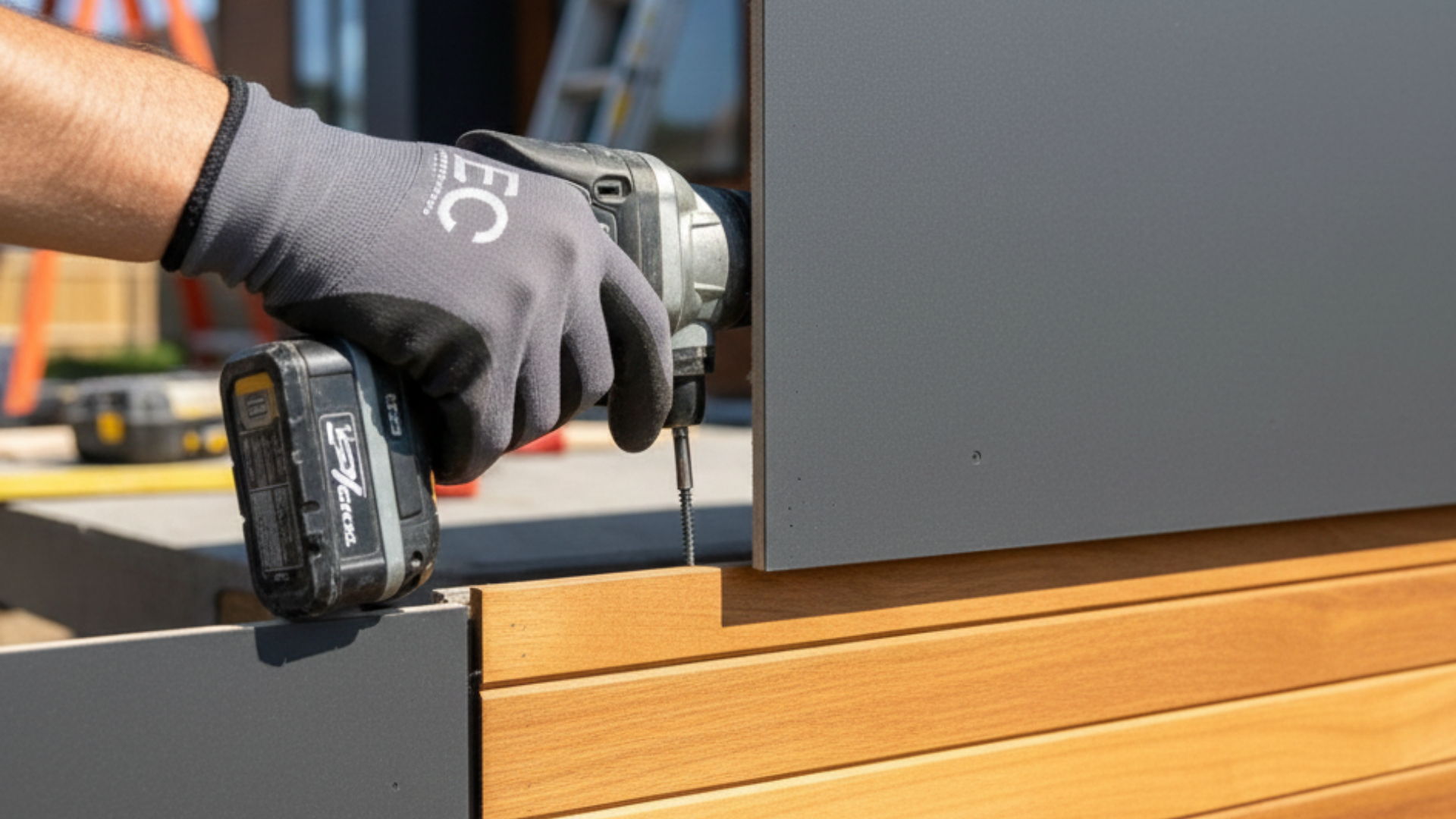
- DIY Installation Gone Wrong: Cladding may look simple, but precise measurements, alignment, and fixing techniques are crucial.
Expert Tip: Always hire a qualified installer. Our team ensures every panel is secured correctly and that your cladding performs for decades without issues.
4. Cladding for Energy Efficiency
Energy efficiency is increasingly important for modern homeowners. Cladding can improve insulation, reducing heating costs and carbon footprint:
- Timber and composite panels offer natural insulation properties.
- Fibre cement with insulated backing can dramatically improve thermal efficiency.
- Properly installed cladding works with your existing insulation to enhance your home’s energy rating.
Expert Tip: Consider cladding as part of a holistic energy efficiency plan. Combined with loft insulation, double glazing, and efficient heating, it can make a measurable difference in energy bills.
5. Maintenance Tips to Extend the Life of Your Cladding
Maintaining cladding correctly prolongs its life and keeps your property looking great. Here’s our advice:
- Timber: Treat annually with protective coatings. Check for rot or insect damage.
- Fibre Cement: Inspect for cracks and repaint every 5–10 years.
- PVC / Vinyl: Wash regularly with soapy water to prevent mould build-up.
- Metal: Check for corrosion or dents, and clean with non-abrasive materials.
Regular inspections allow issues to be caught early before they become costly repairs.
6. Design Considerations
Cladding is also a major design statement. With the right choice, your home can feel modern, classic, or completely bespoke:
- Mixing textures: Timber with stone veneer or fibre cement with metal trims.
- Colours: Neutral tones for timeless appeal, bold colours for striking statements.
- Patterns: Horizontal, vertical, or shiplap styles to create unique façades.
Expert Tip: Balance aesthetics with functionality. In coastal areas of South Devon, for example, some materials may weather differently due to sea air exposure.
7. Why Professional Expertise Matters
Cladding may seem straightforward, but expertise ensures performance and durability. Our team of specialists:
- Evaluates the property structure before installation.
- Recommends materials suited to climate, design, and budget.
- Ensures compliance with building regulations and fire safety standards.
- Provides maintenance advice and long-term support.
A professional approach prevents common problems like water ingress, warped panels, or premature wear — issues that can cost thousands to fix. Our team also offers a range of construction and renovation services to ensure every exterior upgrade is completed to the highest standard.
8. Planning Your Cladding Project
Before you start, it’s important to plan carefully:
- Assess your property’s needs: Identify areas exposed to weather, moisture-prone walls, and areas where aesthetics matter most.
- Choose the right material: Consider durability, style, maintenance, and cost.
- Budget realistically: Factor in materials, labour, scaffolding, and ongoing maintenance.
- Hire experts: Ensure installers are qualified and experienced.
- Schedule inspections: Plan post-installation checks to catch any issues early.
Expert Tip: Early planning reduces delays, unexpected costs, and ensures your home looks its best while remaining protected.
Final Thoughts: Cladding as a Smart Investment
High-quality cladding is more than a finish; it’s a long-term investment in your home. Done well, it protects against the elements, enhances energy efficiency, and adds to your property’s value. Done poorly, it can create ongoing maintenance issues and devalue your property.
At Edleigh Construction, our cladding specialists combine experience, skill, and attention to detail to deliver installations that perform beautifully and last for decades.
Ready to Enhance Your Home?
If you’re considering cladding for your property, we’re here to guide you through every step — from choosing materials to expert installation.
📞 Call us on 07568 406 781
📧 Email us at info@edleighconstruction.co.uk
Let us help you protect, enhance, and transform your home with the right cladding solution.