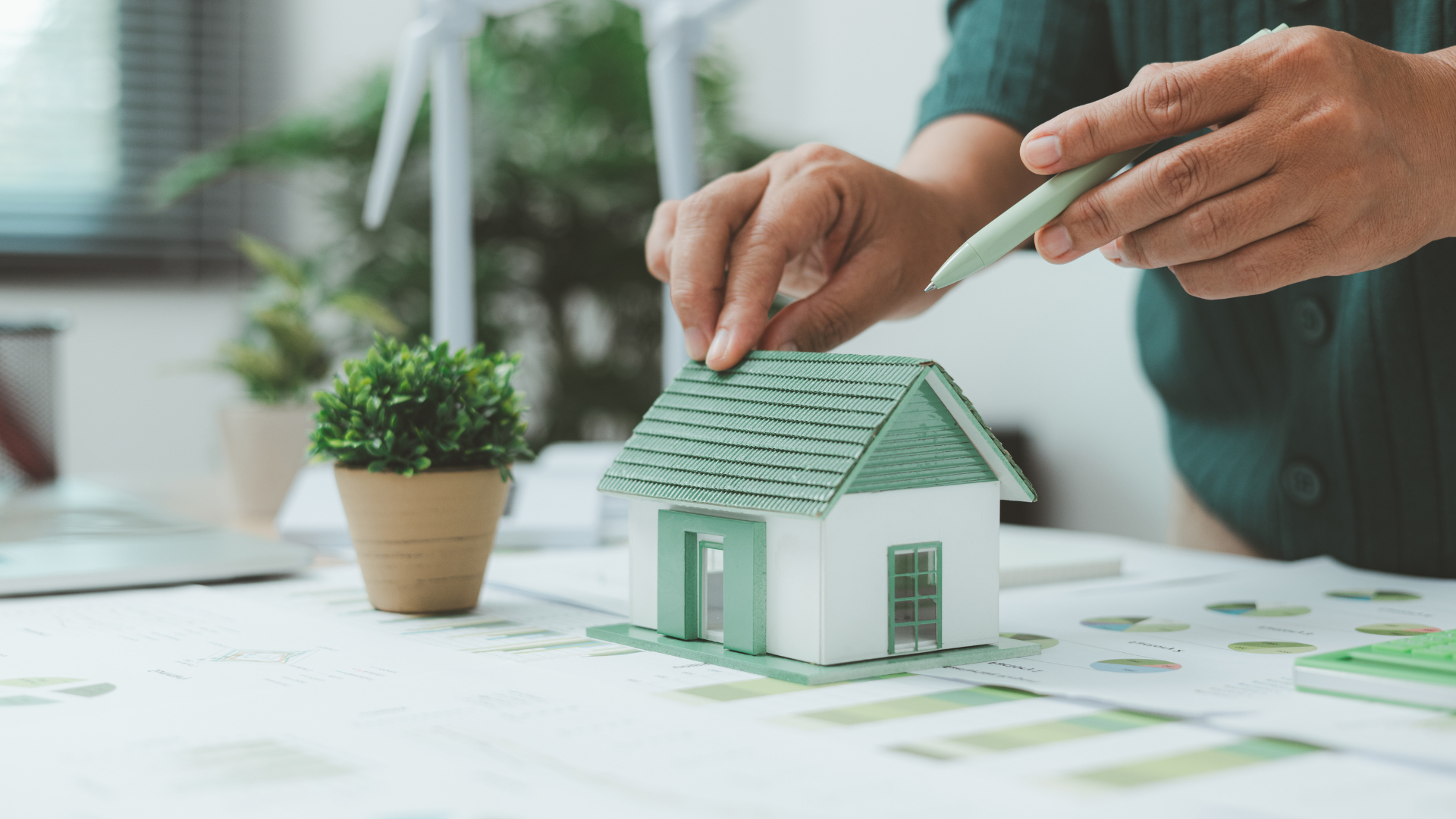
Sustainability is a priority for homeowners in 2026, but the “green revolution” is not without complications. Eco-friendly renovations promise energy efficiency, reduced carbon emissions, and long-term savings. Yet, when misapplied or poorly executed, they can backfire causing structural issues, moisture problems, or ventilation failures that compromise both comfort and property value.
Key Facts and Considerations
Fact 1: Over-Insulation Can Trap Moisture
Excessive insulation reduces natural airflow. Without proper ventilation, condensation builds up behind walls and in roof spaces, promoting mould, damp, and timber decay. Proper design balances thermal efficiency with moisture management.
Fact 2: Incompatible Materials Can Cause Damage
Combining modern sustainable materials with traditional masonry or timber can create issues. For example, certain airtight membranes may prevent wall “breathing,” leading to internal damp, or reactive materials may crack or warp.
Fact 3: Poorly Designed Ventilation Systems
Airtight windows and energy-efficient doors are effective—but they reduce airflow. Without mechanical ventilation or controlled air-exchange systems, indoor air quality suffers, and humidity increases, potentially leading to structural issues.
Fact 4: Energy Savings Are Not Guaranteed
Solar panels, heat pumps, or high-spec insulation may underperform if installation is suboptimal. Positioning, orientation, or improper calibration can dramatically reduce anticipated energy savings, making the project less financially viable.
Fact 5: Shorter Lifespans of Some Sustainable Products
Certain “eco” materials, while initially cheaper or greener, may wear faster than traditional options. For example, some composite cladding or synthetic boards may degrade under UK weather conditions faster than natural timber or masonry.
Fact 6: Regulatory Complexity
Green building standards, BREEAM ratings, and evolving Building Regulations require precise compliance. Errors or omissions can invalidate warranties or create complications for future renovations.
Fact 7: Financial Misalignment
Homeowners sometimes over-invest in green measures without considering long-term maintenance costs or resale implications. An underperforming installation may end up costing more than a traditional, well-executed renovation.
Additional Examples and Risks
- Poorly installed MVHR (mechanical ventilation with heat recovery) units can circulate dust or fail to remove humidity, negating thermal efficiency.
- DIY solar panel installations may void building insurance if not certified under MCS standards.
- Over-sealed lofts without proper vents can cause timber degradation and ice dam formation in winter.
Practical Advice
✅ Consult specialists experienced in eco-renovation.
✅ Verify ventilation and moisture management strategies.
✅ Ensure material compatibility for your property type.
✅ Balance energy efficiency with long-term durability.
✅ Plan for maintenance and regulatory compliance before investing.
Final Thoughts
Sustainability is critical—but “eco-friendly” is not always synonymous with safe or problem-free. Poorly executed green renovations can create structural, environmental, and financial headaches. Homeowners should approach eco-projects strategically, balancing efficiency, safety, and long-term resilience.
Contact Us
For expert guidance on sustainable renovations that truly benefit your home, consult Edleigh Construction for tailored advice and professional execution.
📧 info@edleighconstruction.co.uk | 📞 07568 406 781