Insulation is meant to make your home warmer, cheaper to run, and more energy-efficient. Modern insulation is designed to improve comfort and efficiency, but only when the right materials and installation methods are used.
In 2026, new insulation materials and faster installation practices have introduced hidden risks that many homeowners only discover after problems appear. Insulation is not just a product — it is part of a wider building system. When one element fails, overall performance drops.
While builders often focus on promised energy savings and improved comfort, the potential long-term risks of modern insulation are rarely discussed. Below are the key facts every homeowner should understand before committing to insulation upgrades.
Fact 1: Not All Insulation Performs as Advertised
Many insulation products claim impressive thermal ratings, yet under real-world conditions, performance can be significantly reduced. Moisture exposure, compression, and poor handling during installation can reduce effectiveness by as much as 30%.
Rigid foam boards can warp if stored incorrectly, while some eco-friendly fibrous insulation may settle over time, leaving gaps behind walls or ceilings. These issues are rarely visible but can result in increased heat loss and higher energy bills.
Homeowner tip:
Ask for product performance certifications such as BBA or BRE approval, and confirm how your builder will ensure the insulation performs as intended once installed.
Fact 2: Poor Installation Creates Bigger Problems
Even the best materials fail when installed incorrectly. Gaps, compressed insulation, and poor sealing around windows, doors, and loft hatches are common issues.
Consequences include:
-
Heat loss, preventing the home from reaching expected efficiency levels
-
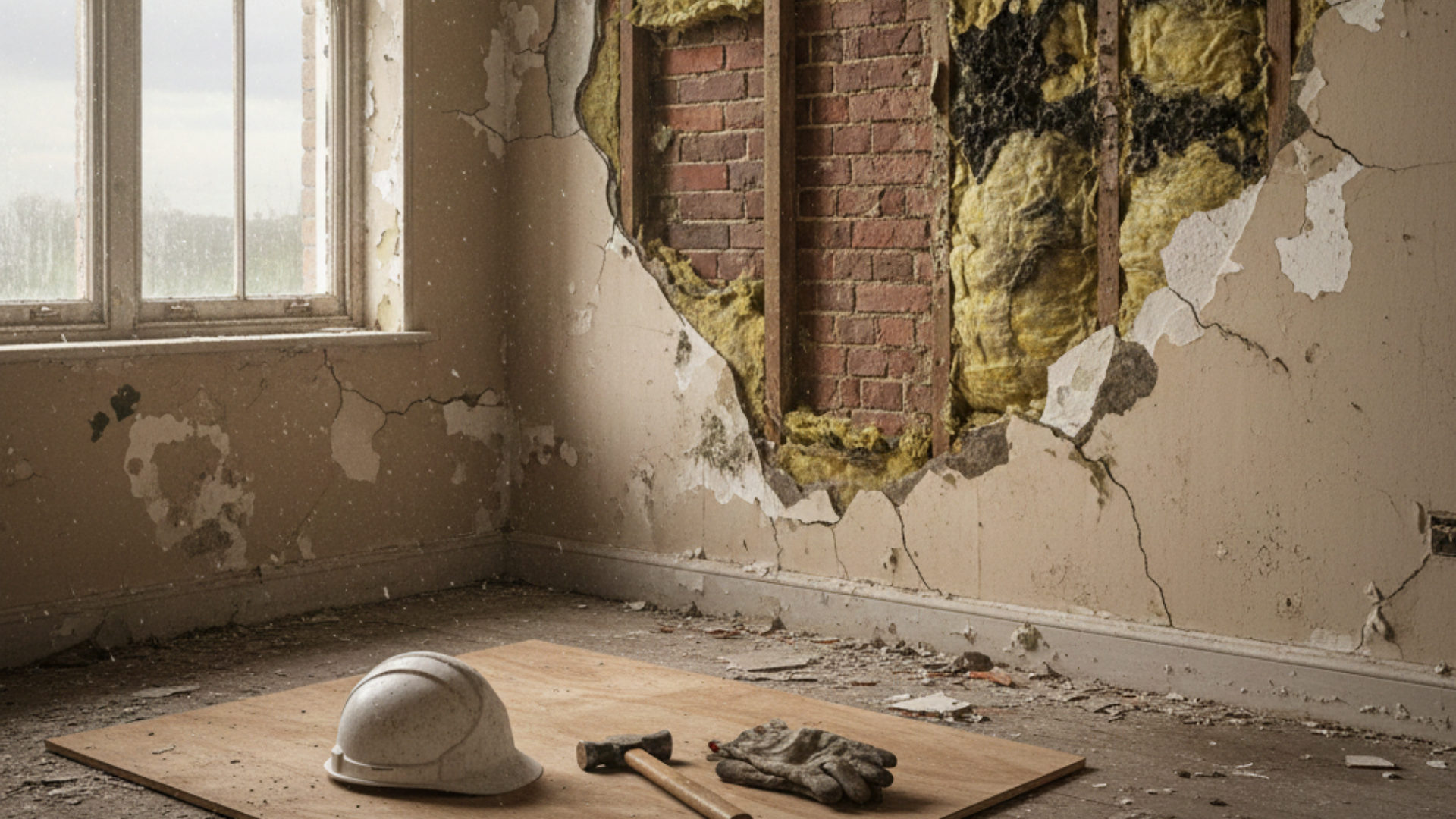
Condensation and damp, increasing the risk of mould and timber decay
-
Higher energy bills, as heating systems work harder to compensate
Poor installation of modern insulation is one of the most common reasons homes fail to achieve their expected energy performance.
Homeowner tip:
Inspect the insulation during installation. Ask your builder to show that materials are fully fitted, flush, and properly sealed in vulnerable areas.
Fact 3: Chemical Off-Gassing
Some foam-based insulation products release volatile organic compounds (VOCs) during and after installation. In poorly ventilated spaces, these can affect indoor air quality.
Although levels are typically within safety limits, sensitive individuals may experience headaches, eye irritation, or respiratory discomfort, particularly in bedrooms and living areas.
Tip:
Ensure proper ventilation during and after installation, and consider low-VOC or natural insulation materials where appropriate.
Fact 4: Fire Safety Concerns
Not all insulation materials offer the same level of fire resistance. When incorrectly installed near electrical wiring, heating systems, or recessed lighting, risks increase.
Examples include:
-
Loft insulation placed over downlights without adequate fire protection
-
Foam insulation installed near poorly routed electrical cables
Homeowner tip:
Request fire-resistance ratings and certification. A reputable installer will design insulation layouts with fire safety as a priority.
Fact 5: Long-Term Degradation
Insulation is not a “fit and forget” solution. Over time, certain materials can settle, shrink, or absorb moisture, reducing effectiveness.
This can lead to:
-
Cold spots within the home
-
Rising heating costs
-
Hidden damage to surrounding building materials
Homeowner tip:
Schedule periodic inspections, especially in lofts and cavity walls, to identify gaps, damp patches, or compressed insulation early.
Fact 6: Mismatched Materials Reduce Efficiency
Using different insulation types throughout a property without considering compatibility can create moisture traps. For example, breathable natural fibres in walls paired with closed-cell foam in the loft can prevent moisture from escaping.
Tip:
Discuss material combinations carefully. A consistent, system-based approach to modern insulation ensures proper moisture control, thermal efficiency, and long-term durability.
How Homeowners Can Protect Themselves
Before committing to insulation upgrades, homeowners should:
-
Choose products with recognised third-party certification (BBA, BRE)
-
Ensure professional installation by experienced tradespeople
-
Request warranties covering performance, moisture resistance, and fire safety
-
Schedule regular checks for compression, moisture, and gaps
-
Confirm the insulation system works as a whole — walls, lofts, floors, and cavities
Our team also advises homeowners on safe renovation and construction practices to ensure insulation works as part of a complete system.
Final Thoughts: Knowledge Protects Your Investment
Modern insulation plays a vital role in energy efficiency, but understanding its risks is essential. Homeowners who ask the right questions and stay informed are far better protected against poor performance, safety concerns, and long-term damage.
Understanding the risks associated with modern insulation allows homeowners to make informed decisions that safeguard comfort, efficiency, and long-term property value.
Need Advice on Insulation Safety and Best Practices?
Edleigh Construction provides expert guidance on insulation materials, certified installers, and safe, long-lasting solutions tailored to your property.
📧 info@edleighconstruction.co.uk
📞 07568 406 781