

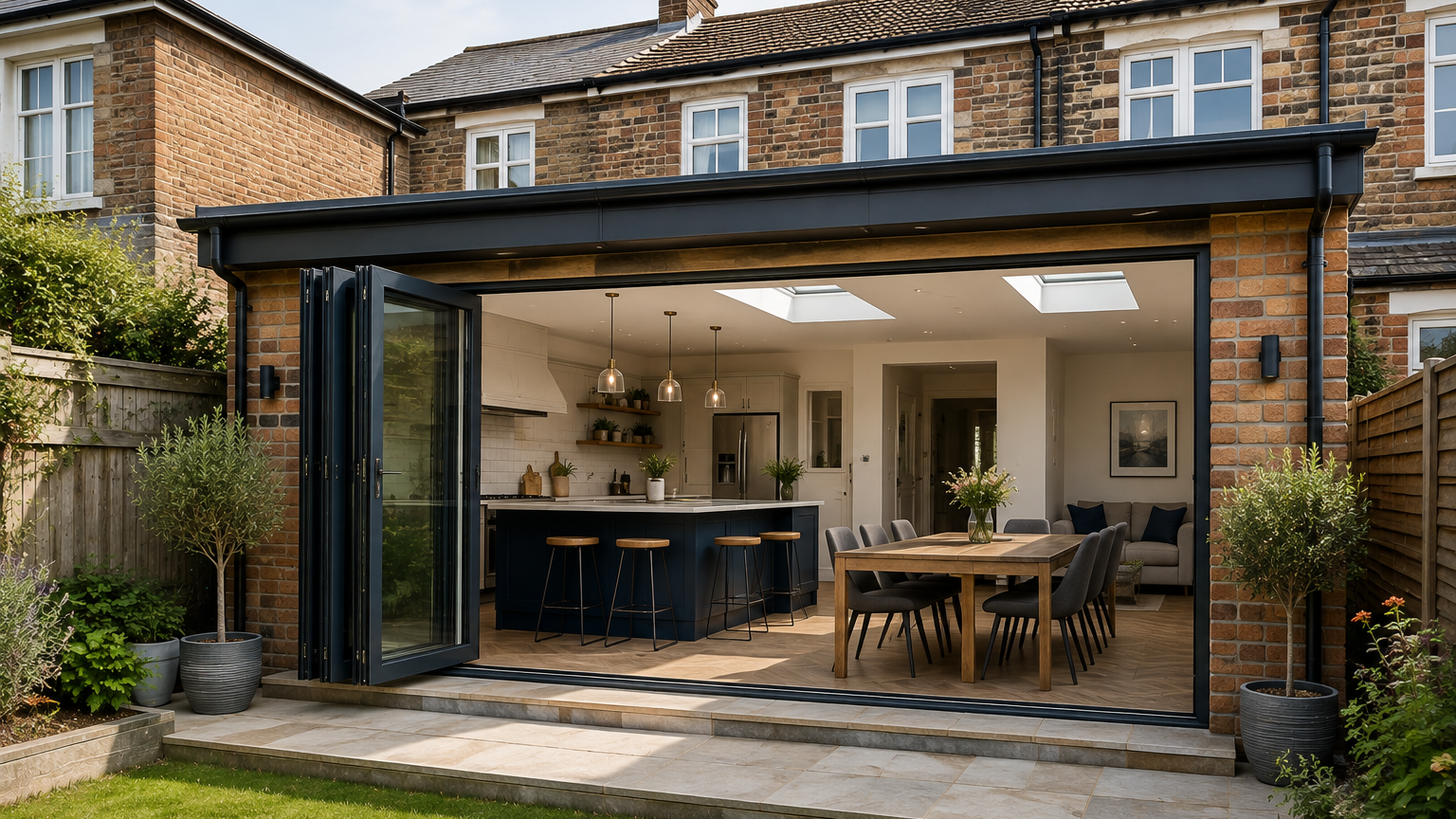
If you’re planning a home extension in Devon, taking the time to prepare before construction begins can make all the difference. Whether you’re looking to create more living space, build a larger kitchen, or add value to your property, careful planning will help ensure your project runs smoothly from start to finish.
A home extension in Devon is a significant investment, and the decisions made before work begins will shape the overall success of your project. Many of the common challenges homeowners face, including delays, unexpected costs, or design compromises, often stem from insufficient planning.
This guide highlights the five most important things to consider before starting your home extension in Devon, helping you make informed decisions and avoid costly mistakes.
1. What Do You Actually Need From the Space?
Before thinking about layouts or construction costs, it’s important to define exactly what you want your extension to achieve.
Ask yourself:
- Do you need a larger kitchen?
- Would an open-plan living area improve your home?
- Are you creating a home office?
- Will the space need to adapt as your family grows?
- How will the extension improve the way you live every day?
A well-planned home extension in Devon should solve practical problems while complementing the existing layout of your property.
2. What Is Realistically Possible on Your Property?
Every property is different, which means not every extension is possible without careful assessment.
Before moving forward, consider:
- The size of your plot
- Available garden space
- Existing boundaries
- Nearby neighbouring properties
- Access for construction vehicles and materials
- Height and depth restrictions
It’s also important to understand whether your project falls under Permitted Development or requires Planning Permission. You can learn more about the latest planning guidance by visiting the Planning Portal:
https://www.planningportal.co.uk/
Understanding these limitations early helps prevent unnecessary redesigns, planning delays, and additional costs during your home extension in Devon.
3. How Much Are You Prepared to Invest?
Budget is one of the biggest factors influencing any successful home extension in Devon.
Your budget should include:
- Construction costs
- Labour
- Building materials
- Architectural drawings
- Structural engineer fees
- Fixtures, fittings, and finishes
- External works such as landscaping and drainage
- A contingency fund of at least 10–15%
It’s equally important to consider how much value the extension could add to your property and whether the investment aligns with your long-term plans.
A realistic budget provides flexibility throughout the build and helps reduce financial surprises.
4. How Will the Build Affect Your Day-to-Day Living?
Even a relatively straightforward home extension in Devon can temporarily disrupt everyday life.
Consider:
- Noise and dust
- Reduced access to certain rooms
- Temporary kitchen relocation
- Safety around children and pets
- Parking and access for contractors
Some homeowners continue living in the property throughout the build, while others choose temporary accommodation during the most disruptive stages.
Planning ahead helps make the construction process far less stressful.
5. Are You Working With the Right Team?
The quality of your builder often determines the overall success of your project.
Before appointing a contractor, consider:
- Previous experience with similar extensions
- Examples of completed work
- Customer reviews and testimonials
- Communication throughout the quotation process
- Transparent pricing
- Clear project timelines
Depending on your project, you may also require:
- An architect or designer
- A structural engineer
- Building Control approval
Choosing an experienced team for your home extension in Devon can save time, reduce risk, and provide peace of mind throughout the project.
Additional Factors Worth Considering
There are several other elements that can improve both the functionality and long-term value of your extension.
Natural Light
The positioning of windows, roof lights, and glazed doors can dramatically improve how bright and welcoming the space feels.
Energy Efficiency
High-quality insulation, energy-efficient glazing, and modern heating systems can reduce long-term energy costs.
Seamless Integration
A successful extension should feel like part of the original home rather than an obvious addition.
Future Resale Value
Well-designed extensions often increase market appeal and can improve the overall value of your property.
Common Mistakes Homeowners Make
Many issues with a home extension in Devon can be avoided by planning carefully from the outset.
Some of the most common mistakes include:
- Underestimating the overall budget
- Not allowing enough time for planning approval
- Choosing design over practicality
- Forgetting to budget for finishes and landscaping
- Hiring based purely on the cheapest quote
- Failing to plan for temporary disruption
Addressing these early will help your project run much more smoothly.
Final Thoughts
A home extension in Devon is one of the best ways to improve your property while creating a home that better suits your lifestyle.
Whether you’re extending to gain extra space, modernise your home, or increase its value, careful planning is essential.
By understanding your needs, setting a realistic budget, considering planning requirements, and choosing the right professionals, you’ll be well placed to deliver a successful extension that works for years to come.
Need Advice Before Starting Your Home Extension in Devon?
If you’re considering a home extension in Devon and would like expert advice before work begins, Edleigh Construction can help.
Our experienced team supports homeowners across Torbay, Teignbridge, Exeter, Newton Abbot, and the surrounding areas, helping you plan and deliver high-quality extensions with confidence.
📧 info@edleighconstruction.co.uk
📞 07568 406 781
Frequently Asked Questions
A. How much does a home extension cost in Devon?
Costs vary depending on the size, design, specification, and complexity of the project. A realistic budget should always include a contingency for unexpected expenses.
B. Do I need planning permission for a home extension in Devon?
Some extensions fall under Permitted Development rights, while others require Planning Permission depending on their size, location, and design.
C. How long does a home extension take?
Most home extension projects take several months, depending on the scope of work, weather conditions, and planning requirements.
D. What is the most important thing to consider before extending?
Clearly understanding your needs, budget, and property limitations before construction begins will help ensure a successful project.
E. Can I live in my home during the build?
In many cases, yes. However, it depends on the scale of the work and the level of disruption involved.